
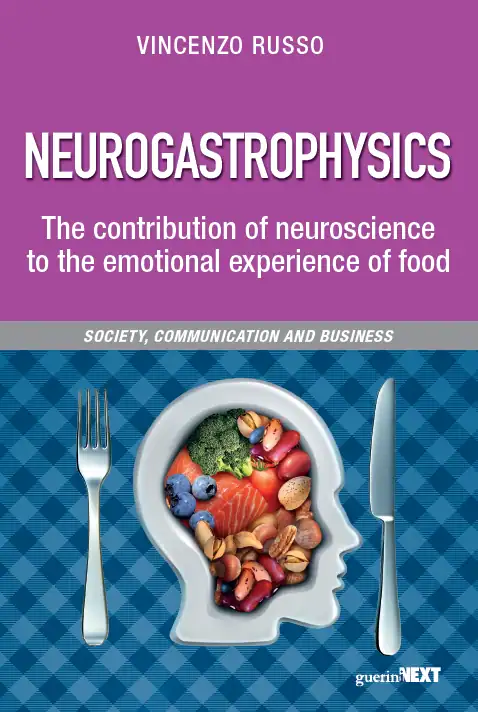
Thanks to the latest neuroscientific discoveries about how the brain functions, it is now possible to improve the food emotional experience and increase profit margins in the restaurant industry by applying these findings to decision-making and persuasion.
Creating a good product or designing a good restaurant service is not enough; you also need to know how to «package» it in the best possible way and sell it effectively using simple yet powerful techniques. Drawing on the latest research in neurogastrophysics and the most interesting insights from behavioural economics, we explore the basic principles of the experiential processes of food and wine and catering:
the Power of Vision
the Secret of Touch
the Power of Hearing and The Sound of Food
the construction of flavours in the brain and the power of emotions
old-fashioned scents and olfactory emotion.
Can the perception of flavours be improved, and can consumer experiences be influenced? How should products be described on menus? What mistakes should be avoided in the food and wine industry? This text provides answers to these questions, starting with a theoretical reflection on perceptual processes based on consumer neuroscience, neuromarketing experiences and research on food experience. It also summarises neuroscientific literature on food consumption behaviour and provides examples from studies in food and wine, which are strongly characterised by emotional and symbolic aspects.
Vincenzo Russo is Full Professor of Consumer Psychology and Neuromarketing at the Libera Università di Lingue e Comunicazione IULM in Milan, Founder and Scientific Director of the Neuromarketing Research Centre ‘Behavior and Brain Lab’ at the IULM University, and Director of the Master’s Degree in ‘Food and Wine Communication’, Director of the Executive Master in Neuromarketing, Consumer Neuroscience and Market Research. He has published several books of consumer neuroscience and food and several papers in international journals, such as the Journal of Consumer Behaviour, Food Quality and Preference, Nutrients, Frontiers of Psychology, Journal of Global Information Management and Frontiers in Neuroengineering.